

Buying land in Uganda is one of the biggest investments many people will ever make. Unfortunately, it’s also one of the areas where scams and fraud are common. Every year, countless Ugandans lose millions of shillings to fake land deals. The sad part? Most of these cases could be avoided with the right information.
Common Land Scams in Uganda
- Fake Land Titles
Fraudsters often present forged or duplicate land titles. In many cases, the same plot of land has been “sold” to multiple buyers. If you don’t cross-check with the Ministry of Lands, you risk paying for a piece of paper that means nothing. - Selling Land They Don’t Own
Conmen sometimes claim ownership of land that belongs to someone else, especially absentee landlords. They rely on buyers who are in a rush and don’t take time to confirm ownership. - Disputed Family Land
Family land is a hotbed for conflict. One family member may try to sell it without the consent of others. Buyers then face endless court cases and even violent evictions. - Unsurveyed Land
Land without clear boundaries or a survey report can be misrepresented. Scammers will promise you more acres than actually exist
How to Protect Yourself
- Always verify the land title with the Ministry of Lands or you can at Luba propeties Limited and we help you solve that
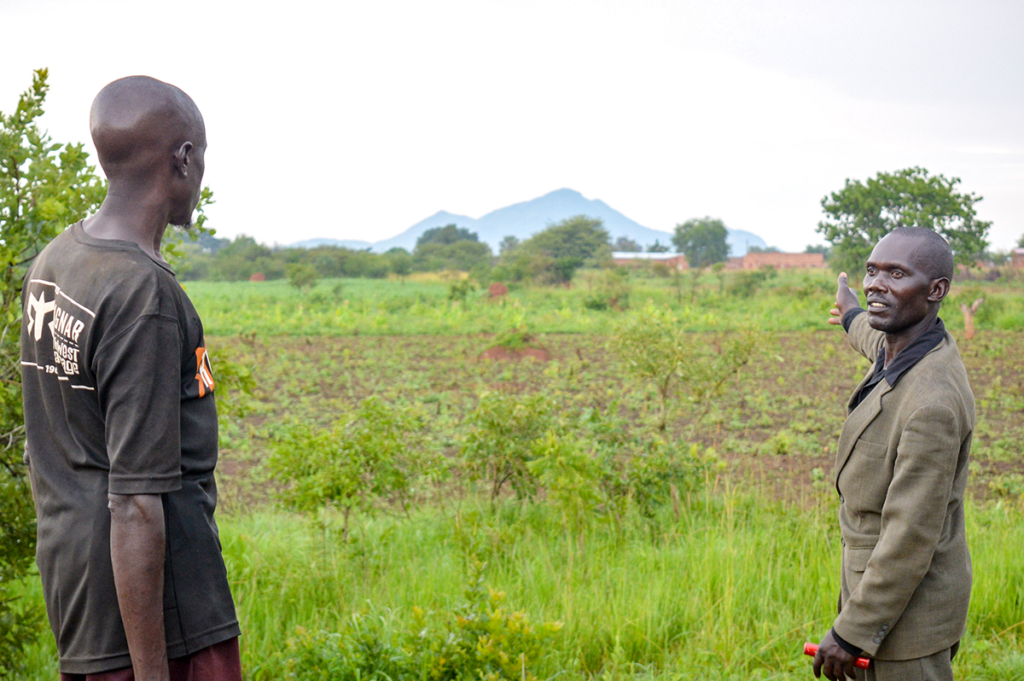
- Do a physical site visit to confirm the land exists and matches the description.
- Consult local leaders and neighbors who can tell you about disputes or ownership history.
- Use a lawyer during the purchase process. Yes, it costs extra, but it saves you from losing everything.
- Don’t rush. Scammers thrive on pressuring buyers with lines like “someone else is ready to pay.”
- Buy land with land title. Customary land may seem to be cheap but it is very risky to buy it since you won’t have any formal document that confirms your ownership.
Final Word
Land scams in Uganda are real and can happen to anyone—rich or poor, experienced or first-time buyer. The only way to protect yourself is by doing proper due diligence. A deal that looks “too good to be true” is usually scam.
Stay informed, ask questions, and never part with your money until you’re 100% sure you’re buying genuine land.
LUBA PROTERTIES LIMITED
Mwebaze Dennis.


Join The Discussion